* Our mobile site is under construction. Please visit on desktop to view all content.
The Yamuna River Project is an inter-disciplinary research initiative that investigates the role of architecture and urbanism in response to issues of social inequalities, urban ecologies, climate vulnerabilities, and infrastructural pressures in the capital city of the world’s largest democracy New Delhi, India.
Research Areas /
The project operates across multiple scales, regions, and research focuses. Click on each to learn more and view the work.
Contact /
Iñaki Alday
Co-Director + Co-Founder
ialday@tulane.edu
Pankaj Vir Gupta
Co-Director + Co-Founder
pgupta4@tulane.edu
Jess Vanecek
Research Assistant Professor
jvanecek@tulane.edu
Acknowledgements /
The Yamuna River Project is graciously supported by:
Sheldon and Audrey Katz Foundation
Saul A. Mintz Global Research Studios Fund
Tulane School of Architecture + Built Environment
The Challenge of Delhi
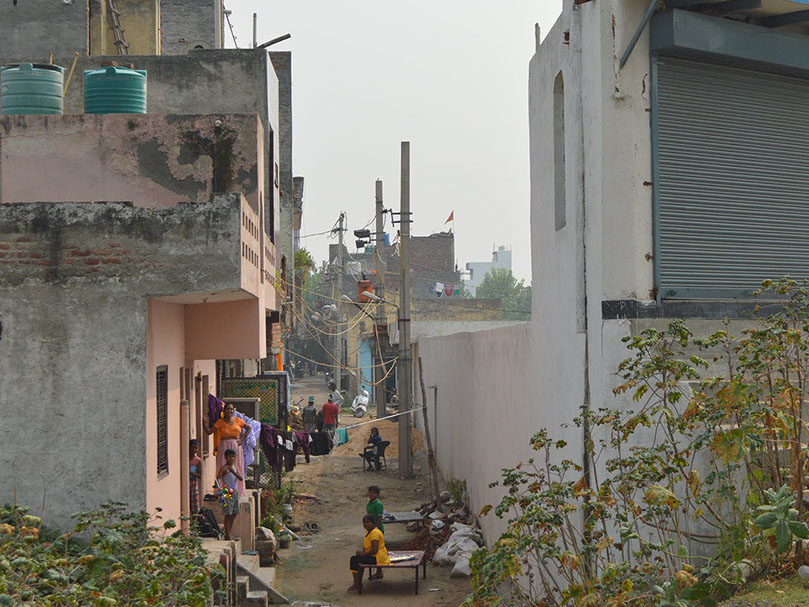
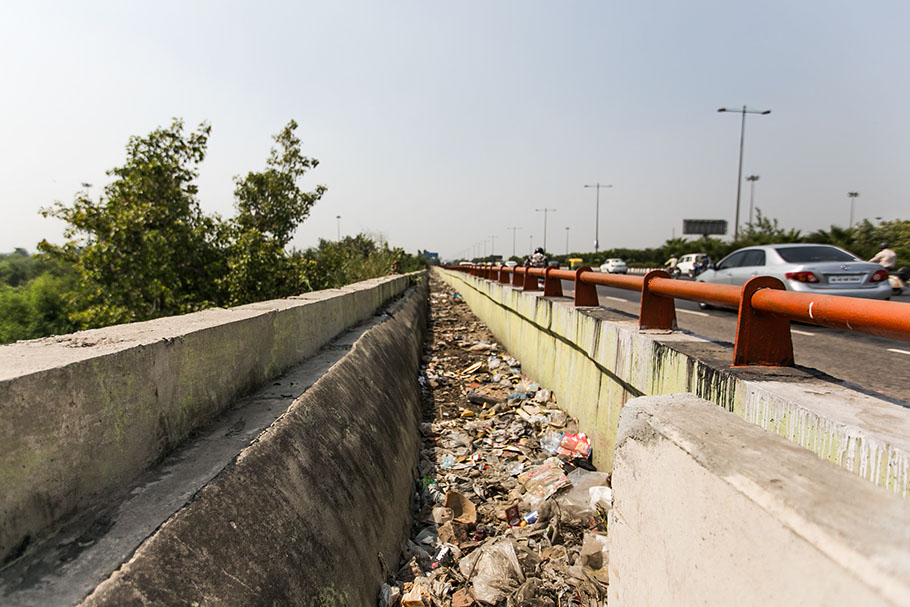
As one of the most rapidly urbanizing mega-cities in the developing world — now at a population over 30 million — New Delhi confronts serious challenges that reveal inadequacies in planning, urban design, and social equity. These limitations emerge at a time of profound economic uncertainty and ecological fragility. As a result, the citizens of the world’s largest democracy live amidst extreme urban and environmental degradation. Delhi’s sacred river, the Yamuna, is one of the most polluted in the world. And the city repeatedly ranks among the top of those with the world’s worst air quality. However, toxic air and septic waters are simply collateral damage — indicators of larger systemic failures rather than problems to be treated in isolation. Existing governance structures have been hard pressed to keep pace with the complex and evolving dynamics of rapid urbanization, which are further complicated by climate change. Overburdened public health systems are fraying as more citizens are exposed to the adverse consequences of such environmental ills in daily life. Millions continue to suffer, often silently, as they inhabit, without recourse, these imperfect urbanities.




The Crisis of the Yamuna
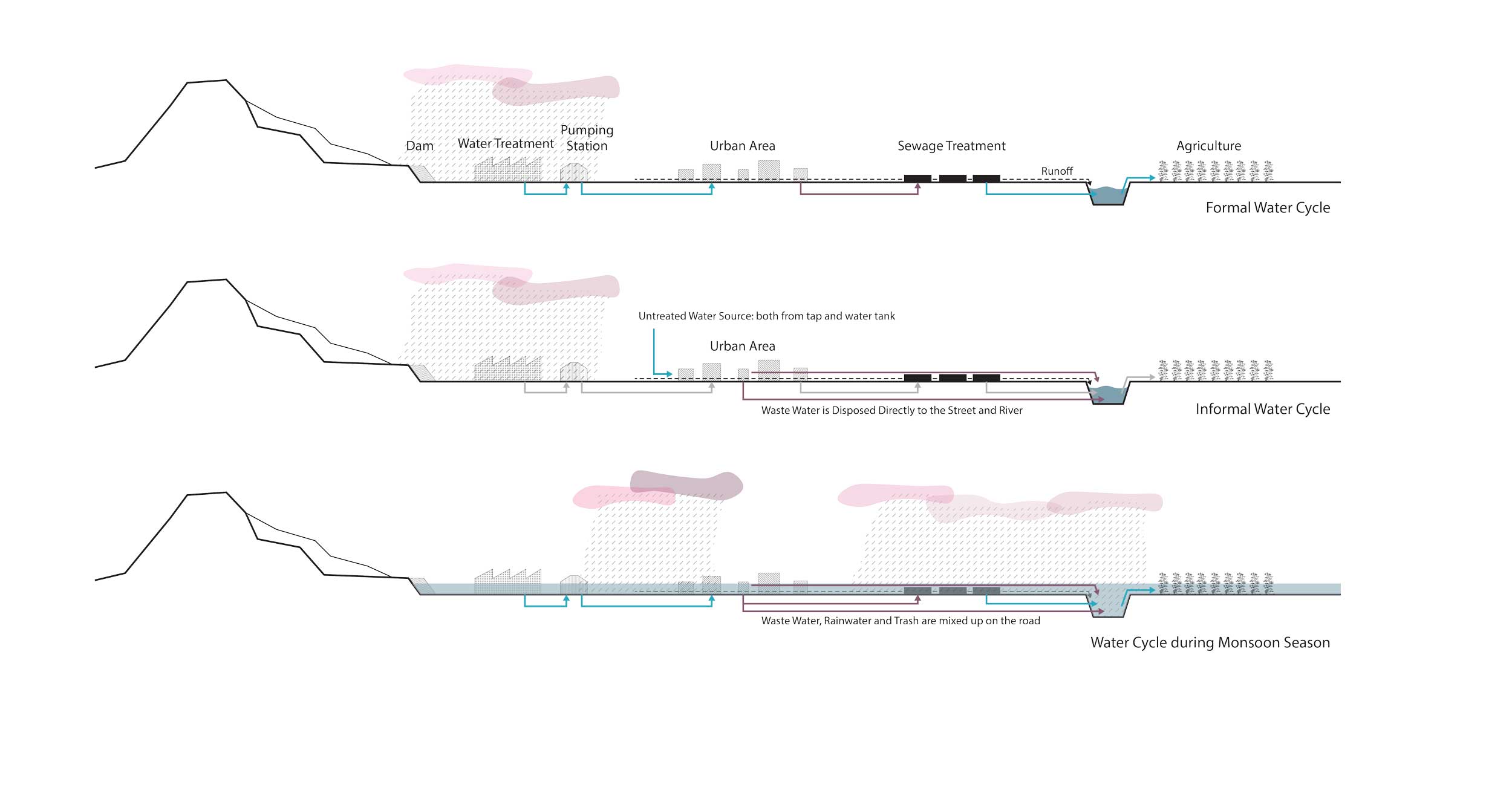
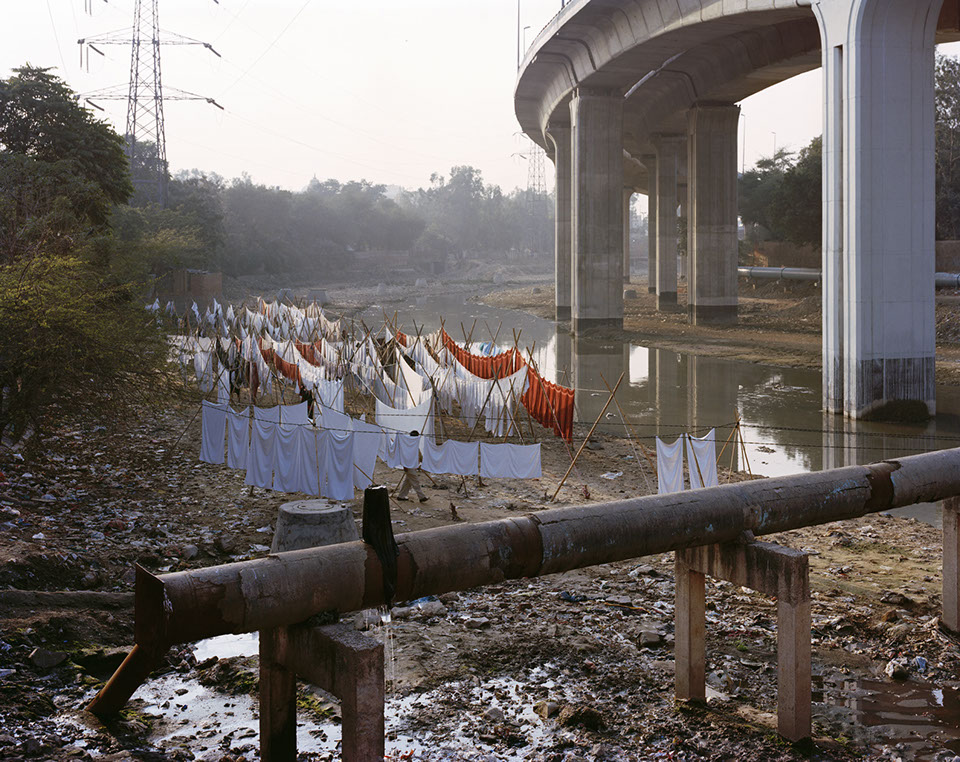
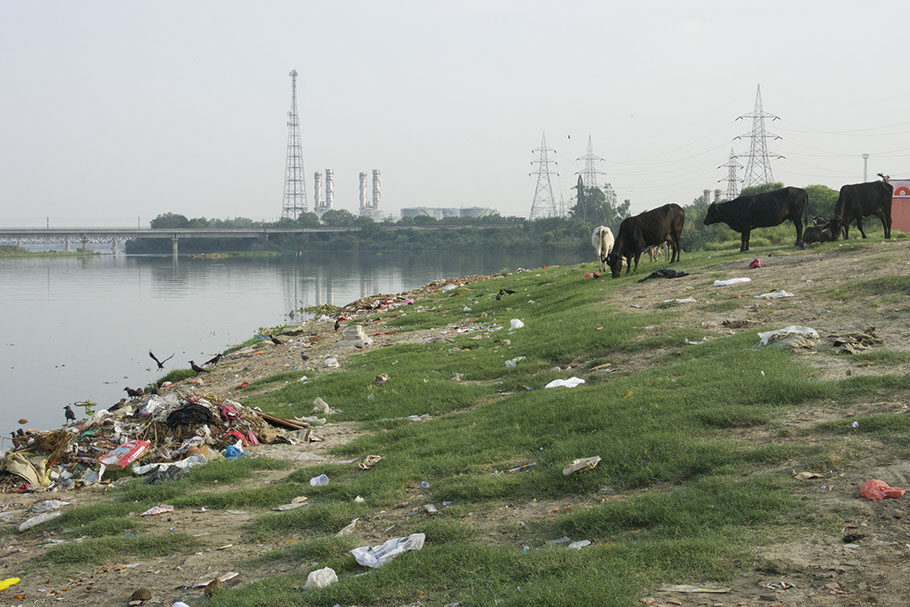
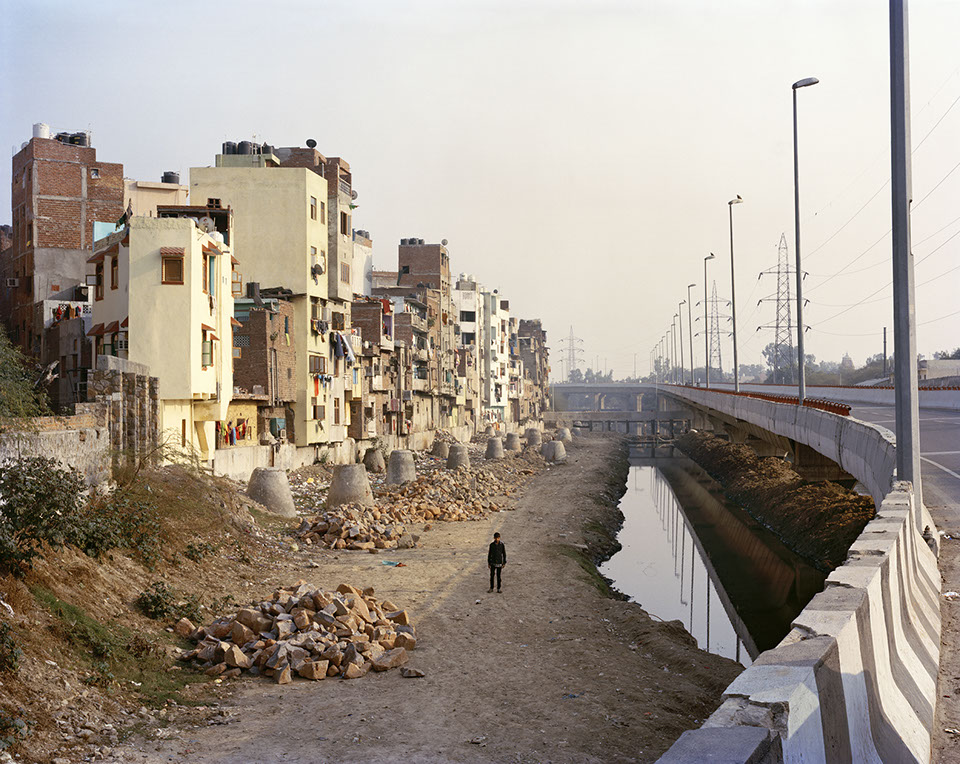
The entire quantum of fresh water flowing into New Delhi is redirected to fulfill the fresh water requirements of the city. From the Wazirabad Barrage where it enters the capital city, to the Okhla barrage where it exits in the south, the Yamuna consists of only treated and untreated sewage and other toxic effluent. The water to the north is rendered “dead”, with zero percent dissolved oxygen, posing serious health hazards to the citizenry of New Delhi.
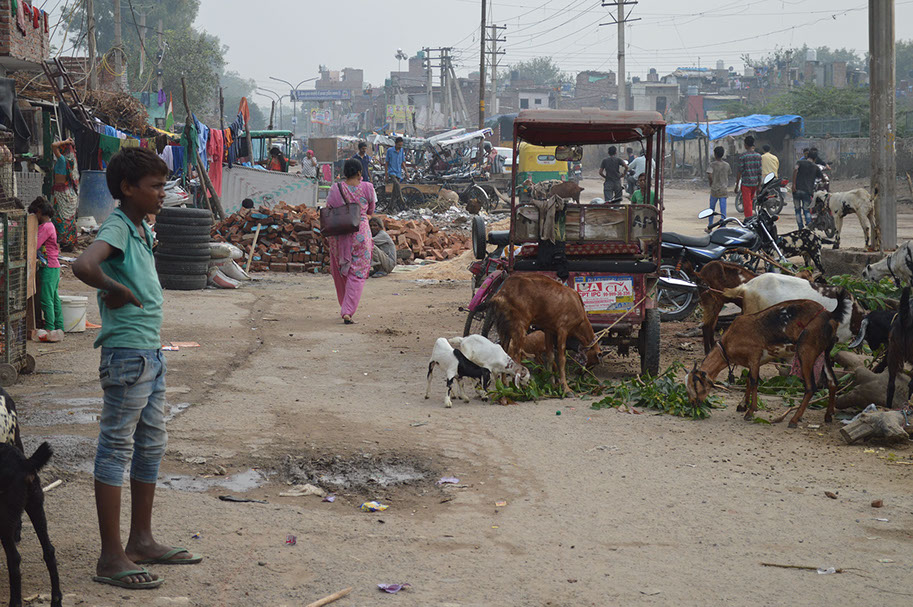
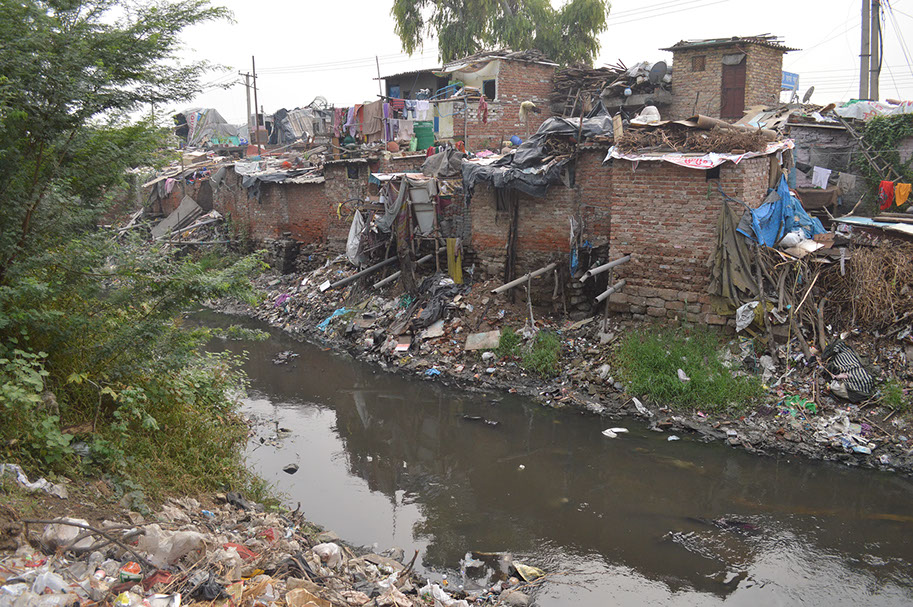
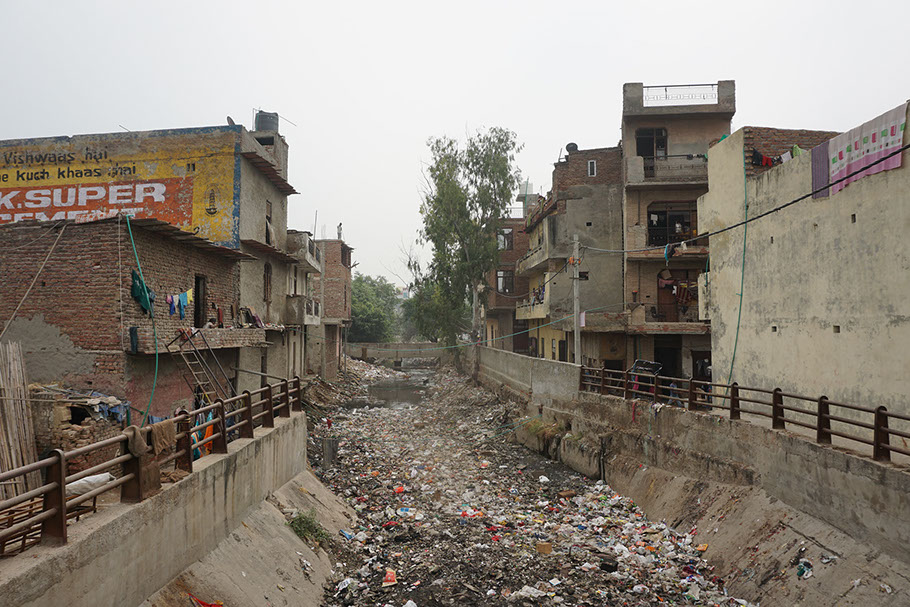
The condition of the water in Delhi is an indicator of the last 150 years of urban development – a period during which the Yamuna and its tributaries have been erased from the consciousness of the city, becoming its backyard. This has become an unprecedented and urgent crisis of ecological inequality and a serious threat of the health of the entire population. In other words, the river itself is not the problem, so much as it is the symptom of broader social challenges. It can only be reversed by sustained remedial action, encompassing all the complex components of the city: social, cultural, health, economics, ecology, public space, public facilities, housing, governance, and infrastructures.

The Ambition
Through multi-disciplinary research, academic design studios, and public engagement, the Yamuna River Project aims to:
+ be a catalyst for the urgent recovery of the Yamuna and its tributaries.
+ test the capacity of architecture and landscape urbanism to improve physical and social environments.
+ engage with government agencies, political leaders, policy & development experts, and citizen-activists in urban India.
+ build a publicly accessible body of research, information, and expertise, and offer visions of alternative futures.