Jaipur Thirsty Cities
Jaipur Thirsty Cities marks a phase of the YRP from 2019 to 2022, during which teams from the University of Virginia School of Architecture and the Tulane School of Architecture and Built Environment jointly examined the city of Jaipur, Rajasthan with a multidisciplinary approach centered around water scarcity. Besides urban morphology and architecture, the understanding of the city included socioeconomics, ecology, history, infrastructures, and all layers that constructs the complexity of the urban life. Students from both universities worked in parallel design studios conducting research, fieldwork in Jaipur, and speculative proposals. The Government of Rajasthan provided information from multiple civic agencies in support of the research endeavor, and international and local experts from different fields were encouraged to respond and contribute to the teams’ discoveries and hypothesis.
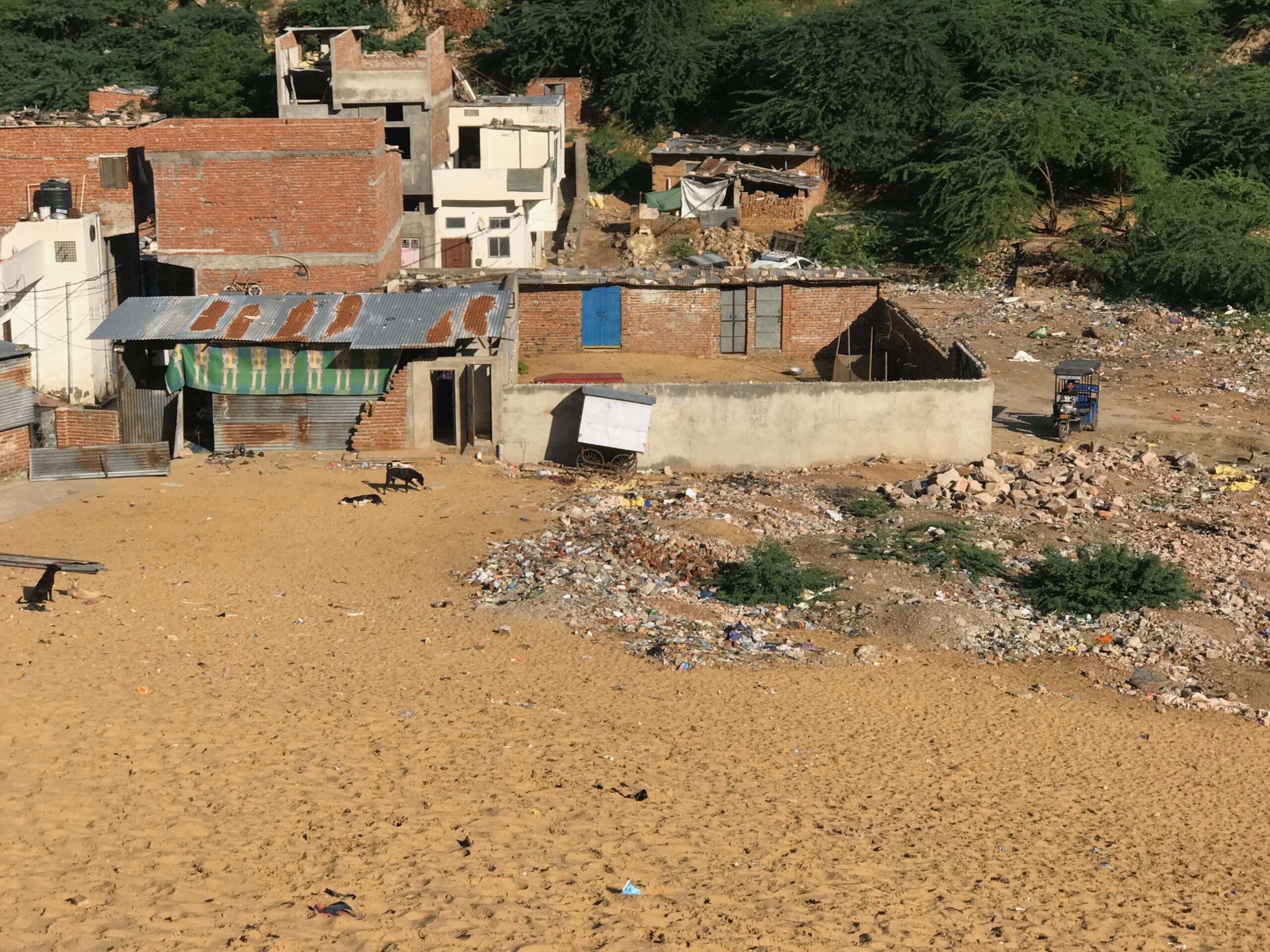
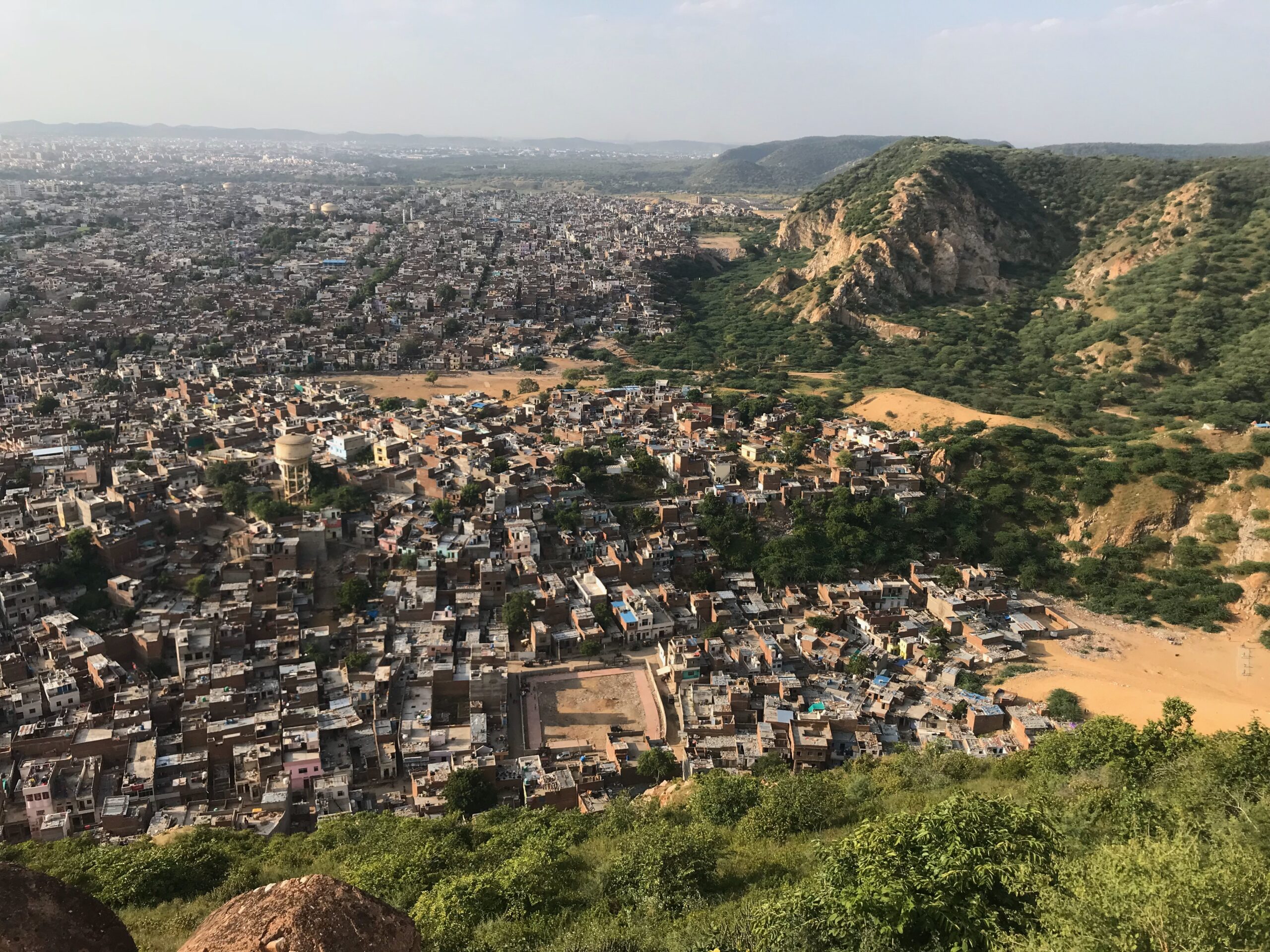
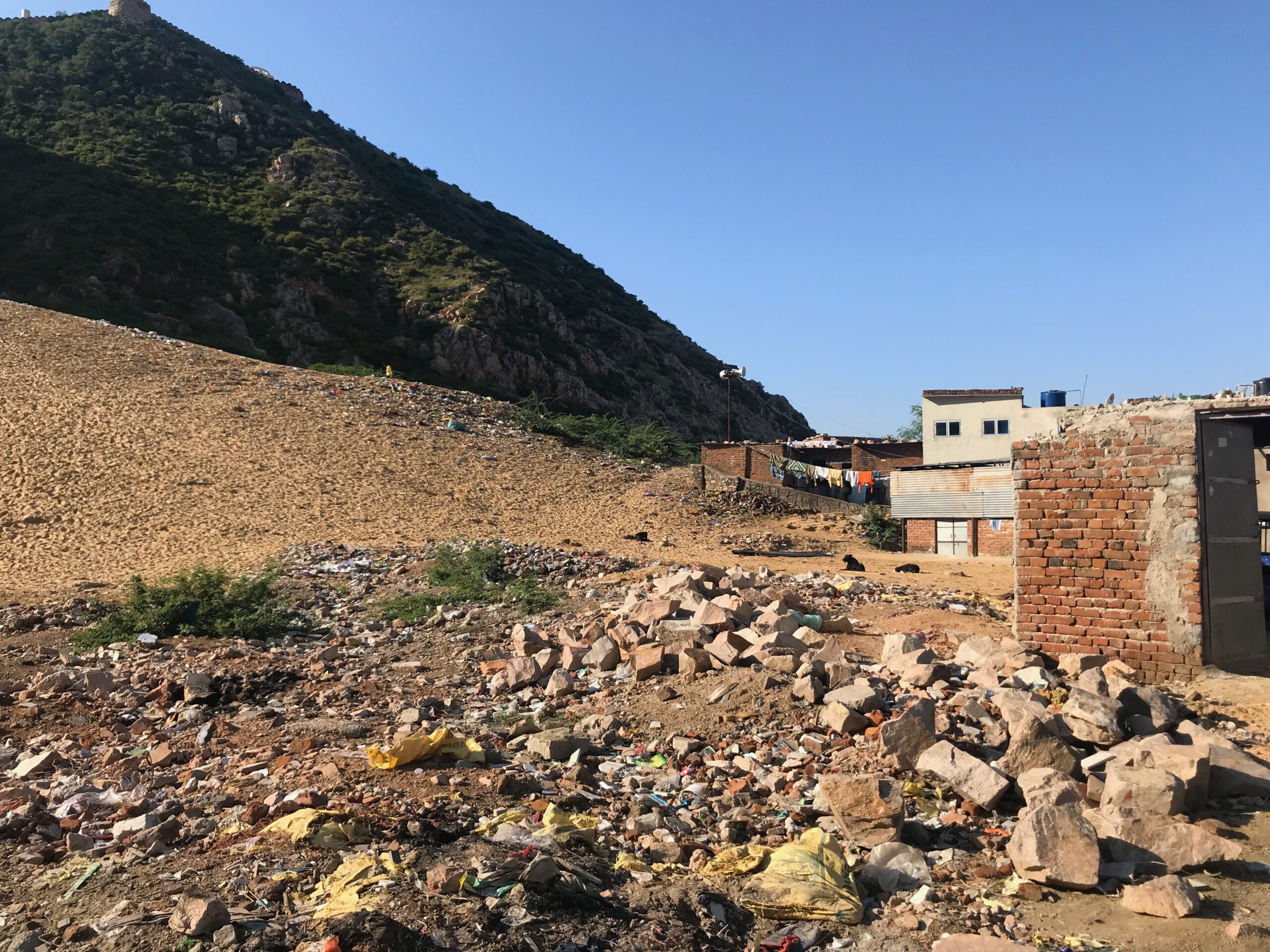
Jaipur was founded in 1727 by Jai Singh and is the capital city of Rajasthan, India’s largest state. Designed by the architect Vidyadhar Bhattacharya, the extraordinary heritage makes it a magnet for tourism. Behind the pink sandstone facades of the medieval city, Jaipur confronts an urgent crisis: a rapidly diminishing supply of drinking water as its population is expected to reach 5 million by 2030 (UN World Urbanization Prospects). The loss of ecological territory due to unplanned growth and the increasing encroachment on the fragile environment of this desert city undermined already scarce water sources. The dilemma is further exacerbated by the loss of traditional water soaks such as the lakes and ponds that created a threshold between the Aravali hills and the urban perimeter of the city. In the summer of 2019, Jaipur – now dependent on the supply of piped water from the distant Bisalpur Dam – was 25 days away from Day Zero, the point at which there would be no fresh water available to the city.
The project explores urban and architectural strategies that might enable Jaipur to be sustained in the face of rising temperatures and increasing water scarcity. In addressing the essential need for the harvesting and harnessing of the water from the few months of monsoon rain, the project prioritizes the creation of a more equitable city – both in terms of natural resource allocation as well as through a new socioecological framework for the development of egalitarian public amenity. From this inquiry, the project diagnosed the current condition through an understanding of the history and evolution of Jaipur in order to develop a framework for the future of the city. From there, pilot projects were developed that test the implementation of the vision. Buildings, public spaces, short + long term urban strategies, and alternative urban infrastructures are outcomes of the project. Exhibiting sensitivity for the extraordinary urban heritage of Jaipur, the project showcases urban infrastructures that enhance the water stewardship of this city. An understanding of demographics, economics, governance, coupled with systems for the processing of sewage and solid waste, energy, mobility, and industrial and agricultural production is critical to generate a robust and circulatory role for architecture in the city.
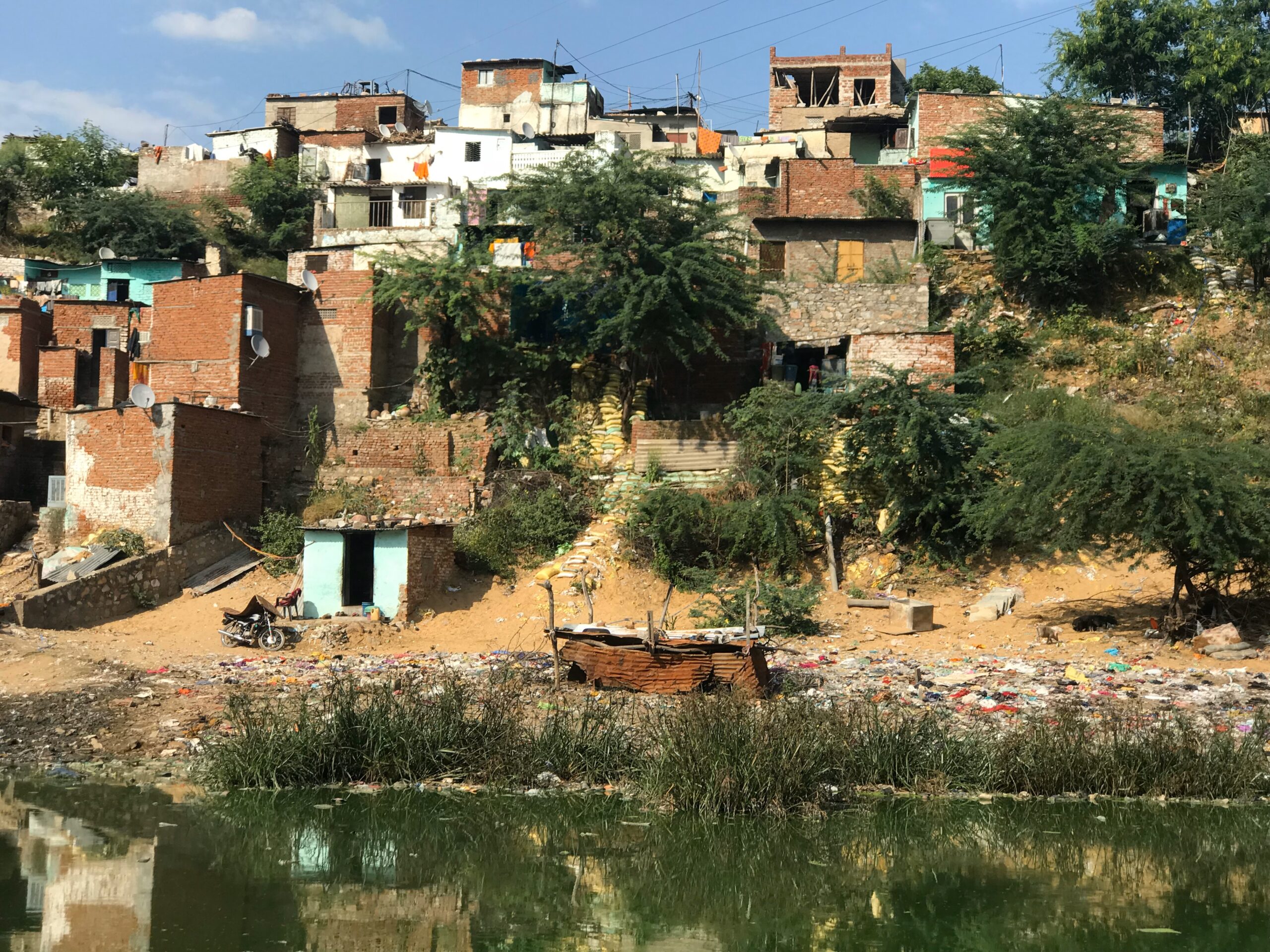
Jaipur 2019
photos by andrew porten
Project Teams
2022
University of Virginia
Faculty: María González Aranguren + Pankaj Vir Gupta
Mijeong Jung // MLA
Tom Knight // M Arch
Stephen Liechty // BS Arch
Margaret Lockhart // BS Arch
Rachael Miller // MUEP
Kelly O’Meara // M Arch
Chris Osterlund // M Arch
Charles Owen // BS Arch
William Rizer // M Arch
Theo Teichman // MLA
Michaelle Tran // BA Arch
Olivia Vernon // BS Arch
Hannah Yoon // BA Arch
2021
University of Virginia
Faculty: María González Aranguren + Pankaj Vir Gupta
Joonas Castren // BS Arch
Iting Chen // M Arch
Oliver Church // BS Arch
Yijie Gui // M Arch
Jiayong Li // M Arch
Yixuan Li // MLA
Fenghua Lin // BS Arch
Kayla Murray // BS Arch
Philip Shores // M Arch
Fanke Su // MLA
Xian Wu // MLA
Zihe Yu // M Arch
2021
Tulane Unversity
Faculty: Andrea Bardón de Tena + Iñaki Alday
Hayley Burroughs // M Arch ’22
Bélinda Chau // M Arch ’23
Sean Fowler // M Arch ’23
Erica Guzman // M Arch ’23
Quinn Kelsey // M Arch ’22
Megan Spoor // M Arch ’23
Esther Zulem // M Arch ’23
2020
University of Virginia
Faculty: María González Aranguren + Pankaj Vir Gupta
Biyu Chen // MLA
Alejandro Di Napoli // BS Arch
Chaoming Li // MLA
Elisabeth Liberatore // BS Arch
Jiajing Lyu // MLA
Genesis Rodgers // BS Arch
Mark Tao // BS Arch
Taylor Thompson // BS Arch
Nancy Wang // BS Arch
Zhilu Wang // MLA
Xuefei Yang // MLA
Chenyang Xia // BS Arch
Emily Zekany // BS Arch
2019
University of Virginia
Faculty: María González Aranguren + Pankaj Vir Gupta
Caroline Crooks // BS Arch ’20
Emmett Debree // BS Arch ’20
Grace Douthit // BS Arch ’20
Karim El-Araby // BS Arch ’20
Gaelle Gourmelon // MLA ’20
Mary Kate Graeff // BS Arch ’20
Audrey Liu // M Arch ’20
Chloe Nagraj // MLA ’20
Huiru Shen // MLA ’20
Allison Ta // BS Arch ’20
Nicholas Wittkofski // MLA ’20
Chenjie Xiong // MUEP ’20
Qinmeng Yu // MLA ’20
Wenyan Yu // M Arch ’20
2019
Tulane Unversity
Faculty: Monisha Nasa + Iñaki Alday
Adrian Evans // M Arch ’21
Michael Heitz // M Arch ’20
Austin Hogans // M Arch + MSRED ’20
Emily Knollenberg // M Arch ’20 MPS ’21
Casey Last // M Arch ’20
Xia Li // M Arch ’21
Andrew Porten // M Arch ’21
Walid Shahin // M Arch ’21
Thea Spring // M Arch ’21
Kat Tomisato // M Arch + MSRED ’21
Evan Warder // M Arch ’21